Fall Syllabus Notes #3
There's a nice breeze coming through the window as I'm at my desk writing this at 10:30 am on a Wednesday.
I'm the resident unemployed friend who randomly pops up at a cafe or museum on a weekday afternoon. There are perks to being unemployed, although a rejection email soured my mood upon waking up. Another reminder not to touch my phone first thing in the morning, but I'm not allowing the rejection to dampen my day. I'm grateful that I have freelance gigs that provide disposable income during these stressful times.
Lately, I can't help but tune into podcast episodes and video essays about the crumbling job market in the US. It quietens the voice in my head that says I'm not doing enough or I'm not good enough for some roles. This video essay by The Financial Diet helped ease those concerns by illustrating how AI has flipped the market on its head, where most resumes don't even reach a human because of the applicant tracking system companies have implemented. Thankfully, I haven't had an interview where I had to speak with AI, but there are many documented instances of that circulating on TikTok.
The future is horrifying.
Despite all the atrocities that we're seeing on our timelines, I find solace in my fall personal syllabus that gives my mind a little workout and a better understanding of the world we live in. I've fleshed out my winter syllabus, but I've been inspired to revamp it entirely to meet my interests of late. We'll see how it goes, onto the notes for the week:
On capitalism making us sick
 Justin Garson Ph.D.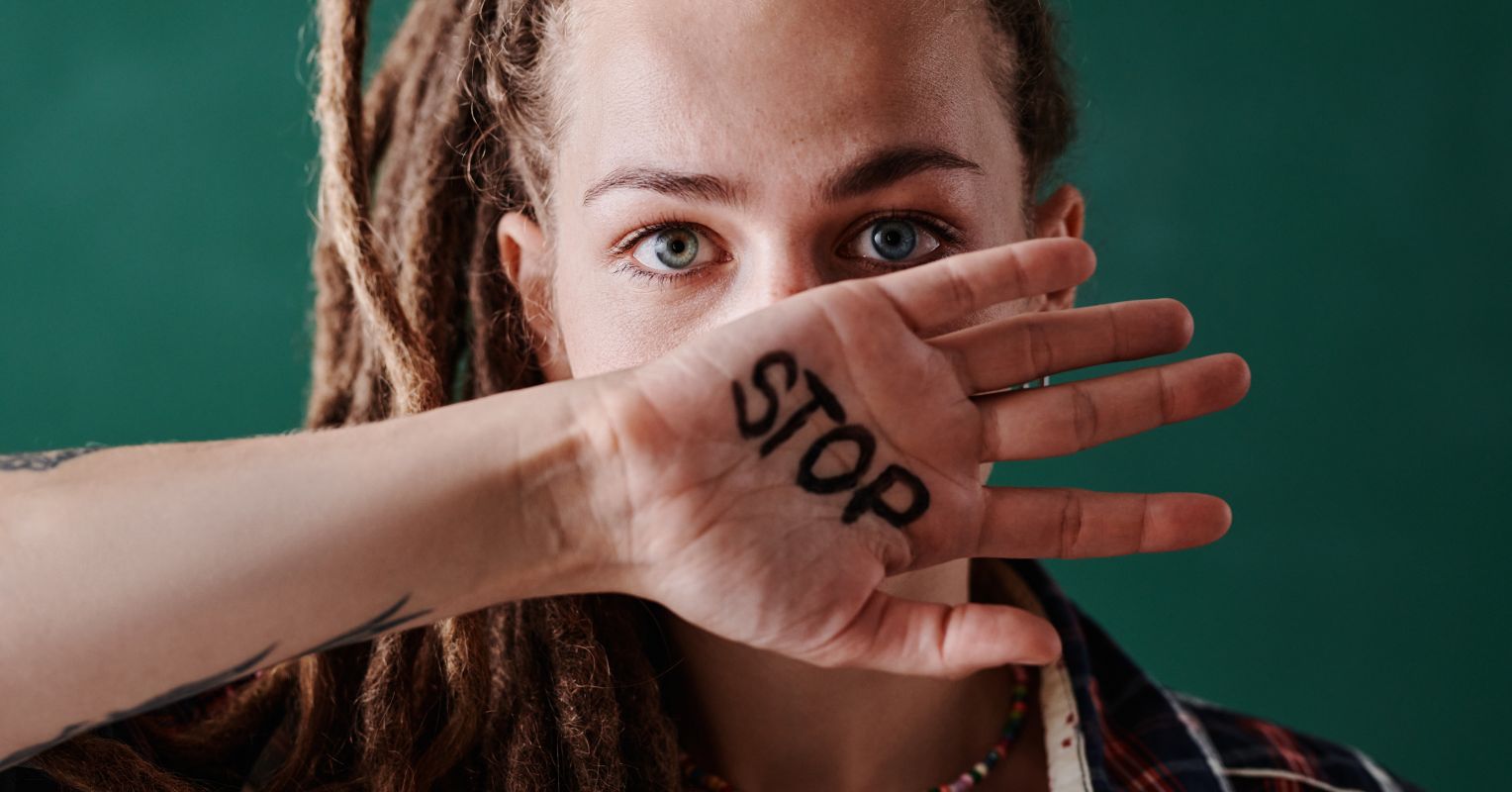
Every day, I think about a post somewhere on the internet about how, out of all the different iterations of the world we could dream of, we chose this.
Granted, the majority of us didn't choose this system, but here we are living in a world where basic needs are not guaranteed, work dominates our waking hours, and our lives are so out of sync with the natural world. I imagine parallel lives where capitalism doesn't exist. A world where everyone gets to do what they love, leading fulfilling lives surrounded by people who care for them. A world where there is no war, no hunger, no injustice.
The interview with Dr. James Davies, author of Sedated: How Modern Capitalism Created Our Mental Health Crisis, further solidified my belief that capitalism is unsustainable for human beings, which is why our distress is actually a normal response to the society that we exist in today.
"In the new neoliberal era, then, success would be reframed as a product of having exceptional individual qualities (rather than exceptional social privileges and advantages), while failure would be rooted in some kind of personal deficit (rather than in lack of opportunity, equality, or social support)."
I fear this is exactly why so many of us deal with anxiety, imposter syndrome, depression, and other nervous system dysregulation. To frame life as a video game, some people start at level 50 due to generational wealth, influential connections, prestigious educations, and exceptional lifestyles. This is only a small fraction of the people we have dubbed the 1%. Most of us start at level 5 or so, where we have a generally stable upbringing with food regularly on the table and semi-decent education. At the other end of the spectrum, we have people at level 0, who are living in poverty, states of war, and instability. This isn't even factoring in race, religion, sexual orientation, gender identity, etc, that would further determine how the world treats you.
And yet we are all expected to be functioning at the same level as those far ahead in life. If we're unable to buy a house, it's our fault that we didn't work harder. If we don't have enough savings, it's because we indulge in little treat culture.
The narrative is focused on the individual instead of the government, who have the power to regulate the system or the corporations that are underpaying their employees. The solution isn't to raise the minimum wage or stabilize rent. Instead, it's on us to save more, work harder, and be better.
It's no wonder so many of us are constantly alternating between states of feeling paralyzed or as if we're never doing enough.
My main struggle of late is finding the balance between rest, play, productivity, and work. The desire to maximize every hour of every day is exhausting, but the fear of taking time out of my day to rest also looms over my head to the point where rest isn't as restorative as it should be. It's a constant process of unlearning the capitalistic ideals that have been deeply embedded in my brain.
This misuse of the mental illness narrative I think illustrates the essence of how depoliticization works: It effectively turns socially caused problems into internal dysfunctions, making the "self" the site of reform and thereby exonerating harmful social, corporate, or political arrangements and so by implication, helping nullify in people the forces that push for social change.
It goes back to the self. We have to work on improving our mental health, instead of pinpointing systems of change that cause us distress. The cycle is vicious.
If you suffer, the fault resides within you, and so too does the solution: You need to learn how to think, feel, and act differently.
To a certain degree, we are responsible for our feelings, our lives, and our relationships. What we're talking about is life on a macro level. If you're suffering because of capitalism, it's not the system that has to change. It's us. We need to learn how to "adapt better".
@no_the_robot I’m not pro-AI, I’m anti-greedy humans. Much longer video on this topic coming soon. Let’s be very careful about our language: HUMANS are heating the planet, AI is just the vessel for their crimes. Meta, OpenAI, and the rest of these companies don’t want you to know that everything that Sam Altman, Mark Zuckerberg and others are saying in public in two investors isn’t actually real #ai #artist #chatgpt #sora #noai
♬ original sound - No The Robot
This user shared how the term "carbon footprint" came to be. It was a marketing term coined by British Petroleum to push environmental responsibility into the hands of the consumer. We're meant to recycle, consume less, and take public transportation, yet according to Smithsonian Magazine, "80 percent of global carbon dioxide emissions were produced by just 57 companies".
How do we live under these conditions?
Some ways I cope are by reminding myself of the things that I can control and focusing on that, being grateful for the little things in life, doing the best I can every day, nurturing my community, resisting when I can, and resting.
On adding whimsy to our daily lives
 Jenna O’Brien
The first interview felt all doom and gloom, but this turned things around for me.
Jenna O'Brien is such a breath of fresh air. Her advice on how to make life more whimsical and joyful reminded me that we have free will, so why not incorporate some fun while we can?
True whimsy cannot be purchased or curated.
I love some of the ideas she shared, such as turning your kitchen into your favorite restaurant, getting really good at games, and learning to consume and process different art forms.
A point she made that really stood out to me was "becoming more obsessed with being a good friend than finding one".
This perspective flips the script of friendship as a transaction of "what you can do for me as a friend" to "how can I be a good friend to you". A lot of the tips she mentioned on ways to strengthen our friendship muscle are essentially tips on how to be a "better villager", which is how to be a part of a community.
@ebbymoyer Replying to @WitchintheWoods SHOW UP ANXIOUS, be open to imperfections and put yourself out there. #womenscircle #dinnerparty #village #community #womensupportingwomen
♬ original sound - Ebby Moyer
I've been thinking a lot about this TikTok on the effort that goes into community building. A lot of people want community, but they don't know how to be in community or aren't willing to play the role of being a community member.
Being in community is showing up, reciprocating, being fair in your expectations, and forgiving. It's assuming the best and understanding that you may not have every emotional need met. It's also going in with an open mind and understanding that people are coming from different backgrounds, which is what makes a community beautiful.
When I first moved to Jersey City, I didn't know anyone, but by showing up to community events that are within my interests, I have come to find community.
I may not have formed strong friendships yet, but having a space I can go to monthly has been filling my cup. I know people by name, I am learning more about them with every meeting, and I feel comfortable in the space. With time, I'm sure friendships will form naturally, but for now, I'm happy that I have found a community of like-minded people who love to come together to discuss books, philosophy, and movies.