Inbox Reads #1
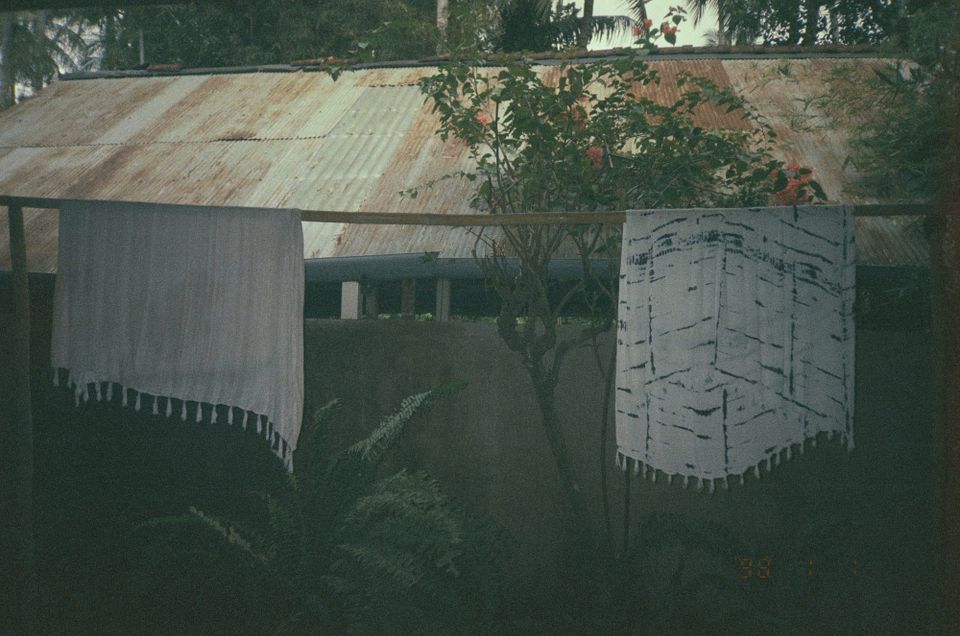
I didn't realize how hard Seasonal Affective Disorder hit me until I got a healthy dose of sun in Malaysia. My partner and I both felt lighter and more energetic after a full day of tropical weather. It was as if a looming cloud I didn't realize lifted off of me. I could finally breathe again. This isn't my first winter, but it was a particularly brutal one, even for long-term residents, who confirmed my feelings.
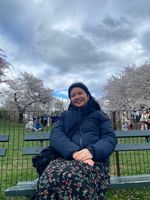
As someone who grew up in a country that alternated between heatwaves and monsoon season, living now in a country with four seasons has transformed the way I view time. Spring is slowly approaching, which has changed the way people are going about their day-to-day. The streets and public spaces are filling up once again. On my walk recently, I noticed more people walking and lounging in the sun.
There is a pep to my step these days, and I feel hopeful again. I've even had the energy to consume long reads, some of which have been floating around the crevices of my mind, so I thought it would be worthwhile to share here.
 Zoe Scaman
When I first started job hunting in the States, I came across the title Creative Strategist, which I was initially unfamiliar with. Although the job descriptions may vary depending on the company, the essence of a Creative Strategist is someone who identifies key trends based on cultural observations/industry reports/research into the zeitgeist, develops marketing strategies, and prepares briefs for other departments to execute. Some companies "blend" social media manager, influencer marketing manager, content creator, and creative strategist all into one, so be wary.
As someone who is still very new to this world, I came across this newsletter by strategist, writer, and advisor Zoe Scaman. This read packed a punch as it reflects the current job market well by first acknowledging the need to grieve the well-trodden path that no longer exists. There is also practical advice that you can take if you're interested in pursuing this path, such as learning the language surrounding money and building skills that cannot be done by AI. In the age of AI, strategic thinking will be a valuable asset regardless of your industry.
 SCAN 👀 CLUB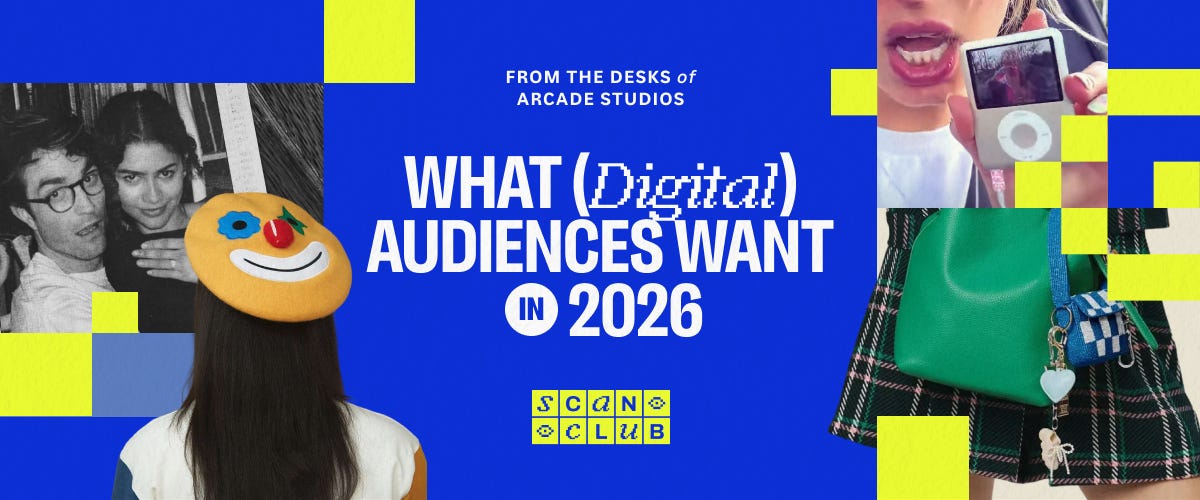
I love seeing what companies are tracking when it comes to marketing trends, especially from a macro view instead of a micro perspective, such as the CEO Burger Wars.
Based on my personal observations, I've been thinking a lot about the analog trend and the worldbuilding trend, which Scan Club classifies as lore. With the analog trend, I've seen so much discourse around collecting physical media, getting a dumb phone, creating an analog hobby bag, and using Brick to block apps. I appreciated Scan Club's breakdown of what this trend could mean for content, creators, and communities. Whether you're a marketer or a casual observer of culture, this is a fascinating read that breaks down each trend clearly with great examples.
 lindsey louise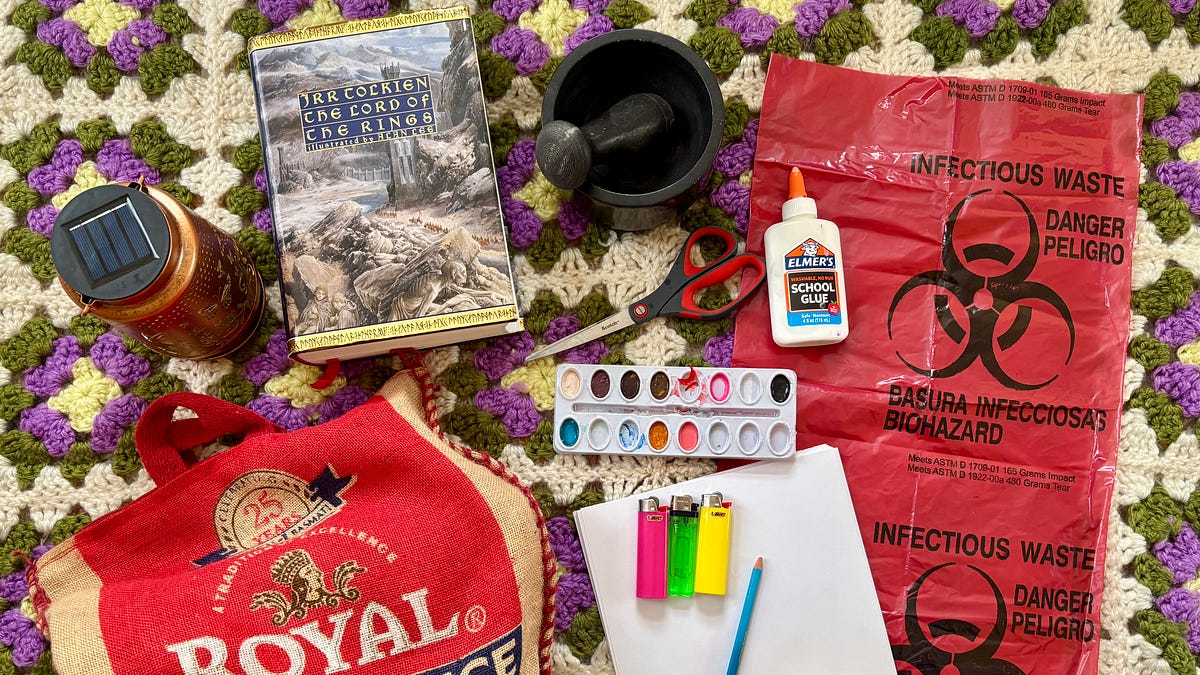
Piggybacking off the above analog trend, I absolutely loved this critique of the analog trend. Side note: I love how Lindsey Louise incorporates politics into her essays on fashion, because the personal is indeed political!
In this, she critiques three key signals within the analog trend: analog bags, Bricks, and no-scroll days. It's snarky, hilarious, and multiple points are made.
"I thought when analog was becoming a trend, that maybe people would also talk about how everyone is taking pictures of each other and every corporation knows everything about you. Maybe that’s why people wanna be more analog?"
She also points out the lack of discourse surrounding surveillance culture when talking about going analog. It's extremely concerning how often I come across TikToks filmed via Meta glasses, further reminding us that privacy is a form of luxury these days.
 Miriam Tinberg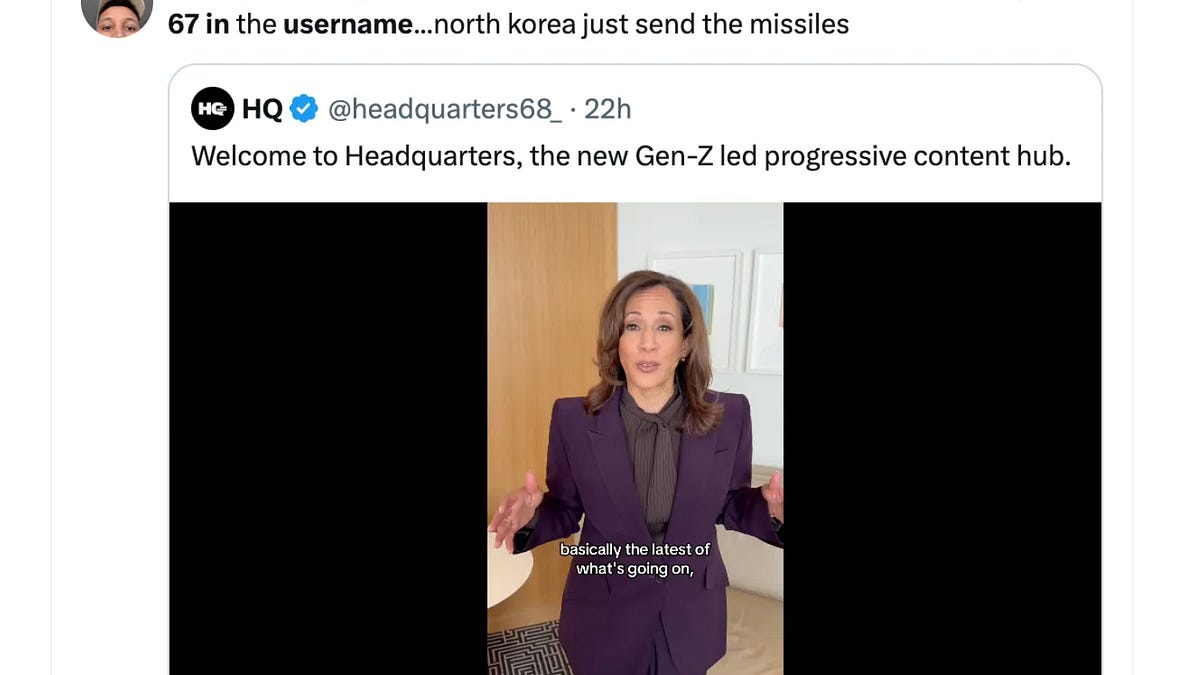
Miriam Tinberg is one of my favorite creators on TikTok whose posts tend to take me down a rabbit hole. She often shares her thoughts and takeaways from podcasts and books, which prompts further conversation on the topic. If you want a deep think, just watch one of her videos.
This newsletter stayed with me because there are two ideas that I've been mulling over: reframing rejection and monotasking. When I came across the same TikToker she did, whose goal was to collect 1000 rejections, it instantly shifted my perspective on rejection. Instead of avoiding rejection, why not embrace it? As the saying goes, you miss 100% of the shots you don't take. It's better to have tried than not at all.
 Eugene Healey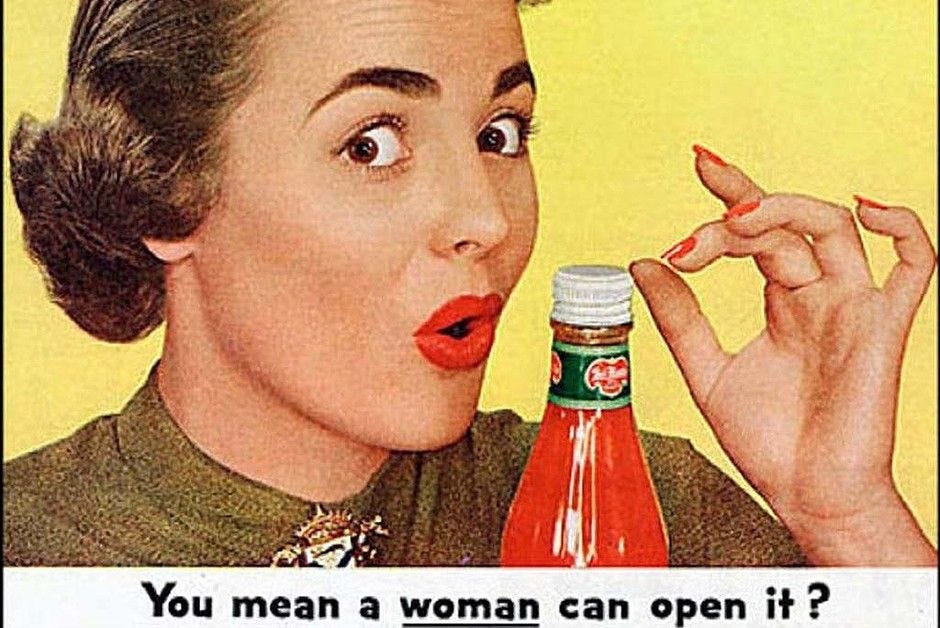
Another TikTok fave is Eugene Healey who dissects culture and brand strategies. In this piece, he argues that we're all digital voyeurs who are intrigued by the performances of identity.
"Tradwife content isn’t evidence of a desire to return to subordinated life confined to the household. It’s evidence of exhaustion with a system that demands we optimise every aspect of our lives just to maintain what our parents achieved by simply showing up. The RichTok accounts aren’t proof that everyone craves disgusting wealth. They’re proof that basic financial security has become so unattainable it might as well be a fantasy - so why not dream bigger?"
As someone who grew up on vlogs and day-in-my-life videos, I'm all too familiar with the format of digital voyeurism that touts a specific lifestyle. I have never thought too deeply about why I gravitated towards this type of content until my partner asked me what I get out of watching these vlogs. Aside from discovering new places to check out or brands that I may align with, the simple explanation is that they function as a form of escapism. Perhaps after reading this, I will reconsider my intentions around consuming this type of content because Healey concludes the essay with this gut-punch:
"Let’s normalise wanting a life, not just a lifestyle. Let’s recognise the difference between what performs and what’s actually performed."
 ANU
ANU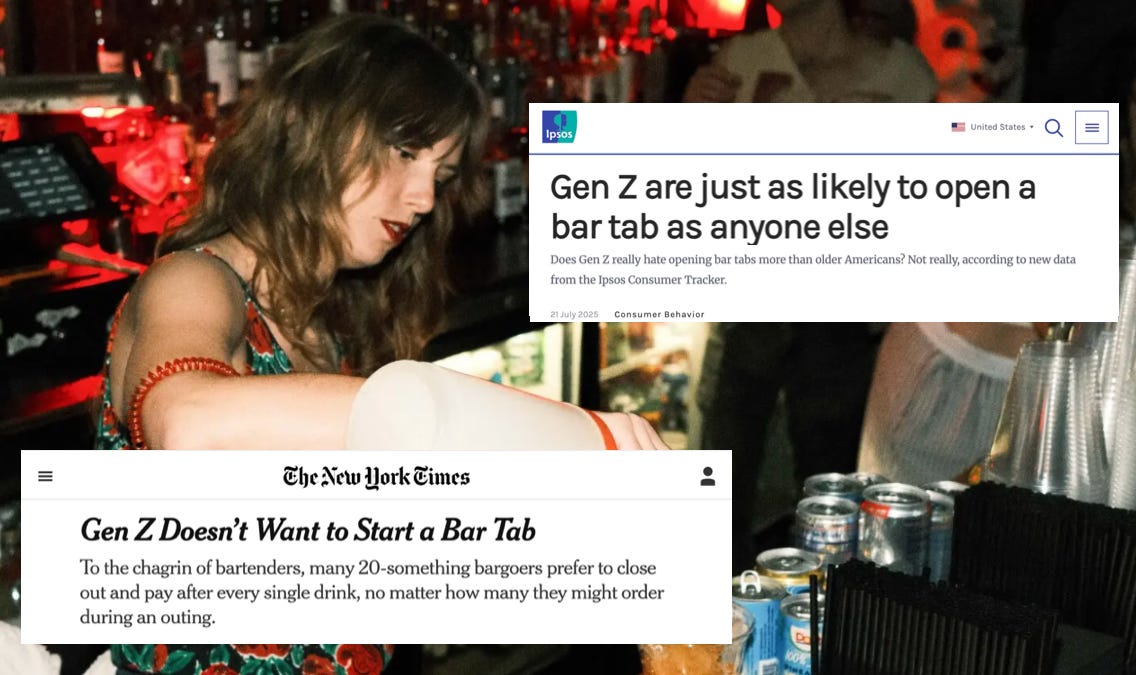
If your FYP is anything like mine, you may have come across multiple videos analyzing or rounding up "trends". There has been a rise in "trend" creators who share their thoughts on fads rather than offering meaningful analysis of cultural shifts or changes in consumer behavior using methodologies grounded in strategic forecasting, data analysis, and expert industry insights.
Anu Lingala is a trend strategist who shares accessible and digestible strategies by applying strategic frameworks. This piece was a great introduction to identifying the difference between a trend and a fad. For further learning, check out her conversation with Day One FM: